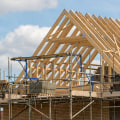
Roofing work is often perceived as a straightforward task, but it conceals a myriad of hazards that can lead to severe injuries or even fatalities. The nature of this profession requires workers to operate at significant heights, often on sloped surfaces, which inherently increases the risk of falls. According to the Occupational Safety and Health Administration (OSHA), falls are the leading cause of death in the construction industry, accounting for nearly 40% of all fatalities. This statistic alone underscores the critical need for awareness and education regarding roofing hazards .In addition to falls, roofing professionals face various other dangers that can jeopardize their safety.
These include exposure to extreme weather conditions, electrical hazards from nearby power lines, and the potential for injuries caused by heavy materials and tools. The physical demands of roofing work can also lead to musculoskeletal injuries over time, as workers frequently lift heavy loads and maintain awkward postures. Understanding these risks is essential for both employers and employees in order to implement effective roofing safety measures.Moreover, the statistics surrounding roofing-related accidents are alarming. Each year, thousands of workers require medical attention due to incidents on roofs, with many suffering from life-altering injuries such as traumatic brain injuries or spinal cord damage.
The financial implications are equally concerning; medical bills can accumulate rapidly, and lost wages during recovery can place significant strain on families. As we delve deeper into the hidden dangers of roofing work in the United States, it becomes evident that prioritizing safety is not just a regulatory requirement but a moral obligation to protect those who risk their lives daily to keep our homes safe.
Statistics on Roofing Work Fatalities and Injuries
Roofing work is one of the most perilous occupations in the United States, with statistics revealing a stark reality about the risks involved. Each year, approximately 50 fatalities occur due to incidents related to roofing work, underscoring the critical need for enhanced safety protocols and awareness within the industry.The mortality rate for roofers is alarmingly high, standing at 29.9 deaths per 100,000 full-time workers. This figure is significantly greater than the average mortality rate across all industries, which is around 3.5 deaths per 100,000 workers.Such a disparity highlights the inherent dangers that roofing professionals face daily.In addition to fatalities, roofing work leads to a staggering number of injuries. The Centers for Disease Control and Prevention (CDC) reports that over 150,000 individuals seek medical treatment annually due to accidents occurring on roofs. These injuries can range from minor to severe, with common outcomes including:
- Multiple fractures
- Brain trauma
- Spinal cord injuries
- Impalements
- Severe lacerations
In fact, over 90% of fatalities from roof falls occur in residential environments, indicating that many homeowners may not possess the necessary skills or training to safely perform roofing tasks.The Center for Construction Research and Training further emphasizes the gravity of this issue by noting that roofers have the fifth-highest mortality rate in construction. With a rate of 29.9 deaths per 100,000 full-time equivalent workers , this statistic is double that of the overall construction industry average of 15.2 deaths per 100,000 workers .This alarming data serves as a call to action for both employers and employees in the roofing sector. While safety measures are crucial, it is evident that accidents can still occur despite precautions being in place. Continuous education and training on safety practices are essential to mitigate these risks and protect those who work tirelessly to keep our roofs intact.
Common Causes of Roofing Accidents
Roofing work is inherently risky, and understanding the common causes of roofing accidents is essential for improving safety protocols.The majority of these incidents stem from a few key factors that can be mitigated with proper training and equipment.
Falls from Heights
One of the most significant risks in roofing is the potential for falls. Statistics indicate that falls account for approximately 70% of work-related fatalities in this field. Roofers often work at considerable heights, and even a minor misstep can lead to catastrophic injuries or death. Factors contributing to falls include:- Unstable surfaces: Roofs can be slippery due to rain, snow, or ice, making it difficult to maintain balance.
- Lack of guardrails: Many roofs do not have adequate safety barriers, increasing the risk of falling off edges.
- Improper ladder use: Falls can also occur when workers ascend or descend ladders that are not securely positioned.
Equipment Failures
The tools and equipment used in roofing are vital for ensuring safety and efficiency.However, equipment failures can lead to serious accidents. Common issues include:
- Defective harnesses: Safety harnesses that are worn out or improperly fitted can fail during a fall.
- Poorly maintained tools: Tools that are not regularly inspected may malfunction, leading to accidents.
- Inadequate safety gear: Workers without proper protective equipment are at a higher risk of injury.
Weather Conditions
Weather plays a crucial role in roofing safety. Adverse conditions can significantly increase the likelihood of accidents. Key weather-related hazards include:- Rain and snow: Wet surfaces can become dangerously slippery, making it difficult for roofers to maintain their footing.
- High winds: Strong gusts can destabilize workers and their equipment, leading to falls or dropped tools.
- Extreme temperatures: Working in extreme heat or cold can impair judgment and physical performance, increasing the risk of accidents.
Implementing comprehensive training programs, conducting regular equipment inspections, and monitoring weather conditions are essential strategies for reducing risks associated with roofing work.
Types of Injuries Sustained in Roofing Accidents
Roofing work, while essential for maintaining the integrity of buildings, poses significant risks to workers. The types of injuries sustained during roofing accidents can vary widely, but many are severe and can have lasting effects on a worker's life.One of the most common injuries in roofing is fractures. These can occur from falls, which are unfortunately frequent in this line of work. A fall from a roof can lead to:- Arm and leg fractures : These injuries often require extensive medical treatment and rehabilitation.
- Pelvic fractures : Such injuries can severely limit mobility and may necessitate surgery.
- Skull fractures : These are particularly dangerous and can lead to long-term cognitive issues.
Falls from heights can result in traumatic brain injuries (TBIs), which can have devastating consequences. Symptoms of TBIs may include:
- Loss of consciousness
- Cognitive impairments
- Emotional disturbances
- Physical disabilities
Spinal cord injuries
are another grave concern in roofing work. A fall that results in damage to the spinal cord can lead to:
- Paralysis : This may be partial or complete, depending on the severity of the injury.
- Chronic pain : Many individuals experience ongoing pain that affects their quality of life.
- Loss of bladder and bowel control : This can lead to additional health complications.
Workers may face significant financial burdens due to medical expenses and lost wages during recovery. Additionally, the emotional toll of such injuries can lead to mental health issues, including depression and anxiety.In summary, the types of injuries sustained in roofing accidents are often severe and multifaceted. Understanding these risks is crucial for both workers and employers to implement effective safety measures that can help prevent such tragic outcomes.
The Importance of Safety Training for Roofers
In the roofing industry, where the risks of accidents and injuries are alarmingly high, safety training emerges as a crucial element in safeguarding workers. Effective training programs not only equip roofers with the necessary skills to perform their jobs safely but also foster a culture of safety that can significantly reduce the incidence of workplace accidents.One of the primary components of a successful roofing safety training program is comprehensive education on hazard recognition.Roofers must be trained to identify potential dangers such as unstable surfaces, electrical hazards, and adverse weather conditions. By understanding these risks, workers can take proactive measures to mitigate them. For instance, training should emphasize the importance of inspecting ladders and scaffolding before use, ensuring that all equipment is in good condition.Additionally, effective training programs should include hands-on demonstrations of proper safety techniques. This includes the correct use of personal protective equipment (PPE) such as helmets, harnesses, and non-slip footwear.
Roofers should practice how to properly secure themselves when working at heights and learn the correct procedures for using ladders and scaffolding. Such practical experience is invaluable in reinforcing theoretical knowledge.Moreover, ongoing education is essential. The roofing industry is constantly evolving with new materials and technologies. Regular refresher courses can help workers stay updated on the latest safety protocols and best practices.
This continuous learning approach not only enhances individual skills but also promotes a collective commitment to safety within teams.Furthermore, companies should encourage open communication about safety concerns. Workers should feel empowered to report unsafe conditions without fear of reprisal. Establishing a system for reporting hazards can lead to timely interventions that prevent accidents before they occur.In conclusion, investing in roofing safety training is not merely a regulatory requirement; it is a vital strategy for protecting workers and reducing injury rates in the roofing industry. By prioritizing comprehensive training programs that cover hazard recognition, practical skills, ongoing education, and open communication, employers can create a safer work environment that ultimately benefits everyone involved.
Safety Equipment and Best Practices for Roofers
Ensuring safety on the job site is paramount for roofers, given the inherent risks associated with roofing work.The right safety equipment and adherence to best practices can significantly reduce the likelihood of accidents and injuries.
Personal Protective Equipment (PPE)
is essential for roofers. This includes:
- Hard Hats: Protect against head injuries from falling objects or accidental bumps.
- Safety Harnesses: A critical component for fall protection, harnesses should be worn at all times when working at heights. They must be properly secured to a reliable anchor point.
- Non-Slip Footwear: Shoes with good traction are vital to prevent slips and falls, especially on steep or wet surfaces.
- Gloves: Durable gloves protect hands from cuts, abrasions, and blisters while providing a better grip on tools and materials.
- Eye Protection: Safety goggles or glasses shield eyes from debris, dust, and harmful UV rays.
- Hearing Protection: In environments with loud machinery, earplugs or earmuffs can prevent hearing loss.
- Conduct Regular Safety Training: Continuous education on safety protocols and equipment usage is crucial. Regular training sessions can keep safety top of mind.
- Inspect Equipment Before Use: Always check harnesses, ladders, and other equipment for wear and tear before starting work.
Replace any damaged gear immediately.
- Establish a Safety Plan: Create a comprehensive safety plan that includes emergency procedures, communication protocols, and designated safety personnel on-site.
- Use Proper Ladder Techniques: Ensure ladders are stable and positioned correctly. Always maintain three points of contact when climbing.
- Avoid Working in Adverse Weather: Rain, snow, or high winds can increase the risk of accidents. Postpone work during inclement weather conditions.
Legal Responsibilities and Workers' Rights in Roofing Work
In the roofing industry, understanding legal responsibilities and workers' rights is crucial for both employers and employees. The Occupational Safety and Health Administration (OSHA) plays a significant role in establishing safety standards that protect workers from the inherent dangers of roofing work.Employers are legally obligated to provide a safe working environment, which includes adhering to OSHA regulations designed specifically for the roofing sector.OSHA regulations require that employers implement fall protection systems when workers are exposed to heights of six feet or more in the construction industry. This includes the use of guardrails, safety nets, and personal fall arrest systems. Additionally, employers must ensure that all equipment used on-site is properly maintained and that workers receive adequate training on safety practices and equipment usage.Workers in the roofing industry also have specific rights that protect them from unsafe working conditions. Under OSHA guidelines, employees can:
- Request Safety Inspections: Workers have the right to report unsafe conditions without fear of retaliation.
OSHA can conduct inspections based on these reports.
- Receive Training: Employees are entitled to receive training on how to perform their jobs safely, including understanding the risks associated with roofing work.
- Access Medical Records: Workers can access their medical records related to workplace injuries or illnesses, ensuring transparency regarding their health and safety.
By adhering to OSHA regulations and ensuring a safe working environment, employers can help mitigate risks associated with roofing work. Simultaneously, workers should be informed about their rights to ensure they are protected while performing one of the most dangerous jobs in construction.
Case Studies: Real-Life Roofing Accidents and Lessons Learned
Understanding the real-life implications of roofing accidents is crucial for improving safety standards in the industry. Here are a few case studies that highlight the dangers associated with roofing work and the lessons learned from these unfortunate incidents.Case Study 1: The Fall from a Residential Roof
In a tragic incident in Texas, a seasoned roofer fell from a residential roof while attempting to replace shingles. Despite having years of experience, he was not using a harness or any fall protection equipment.The fall resulted in multiple fractures and a traumatic brain injury, leading to extensive medical treatment and rehabilitation. This case underscores the importance of adhering to safety protocols, even for experienced workers. Lesson Learned: Always use appropriate fall protection measures, regardless of experience level.
Case Study 2: Ladder Mishap
A roofing contractor in California faced severe consequences when a ladder he was using slipped while he was ascending to the roof. The contractor fell approximately 15 feet, resulting in spinal injuries that left him partially paralyzed.Investigations revealed that the ladder was not properly secured and was placed on uneven ground. Lesson Learned: Ensure that ladders are stable and secure before use, and always inspect equipment for safety compliance.
Case Study 3: Electrical Hazards
In another incident, a roofing crew in Florida encountered live electrical wires while working on a commercial building. One worker suffered severe electrical burns after coming into contact with an unmarked wire. This accident not only caused physical harm but also led to significant financial losses for the company due to medical expenses and legal fees.Lesson Learned: Conduct thorough site assessments to identify potential hazards before beginning work.These case studies illustrate that roofing work is fraught with risks that can lead to devastating consequences. By learning from these incidents, roofing professionals can implement better safety practices and reduce the likelihood of accidents on the job site. Continuous training and adherence to safety regulations are essential for protecting workers and ensuring a safer working environment.
Conclusion: Prioritizing Safety in Roofing Work
In conclusion, the roofing industry presents numerous hazards that can lead to severe injuries or fatalities if proper safety measures are not prioritized. As highlighted throughout this article, the statistics surrounding roofing work are alarming, with an average of 50 fatalities annually and a mortality rate that far exceeds that of many other professions.This reality underscores the critical need for both employers and workers to adopt a proactive approach to safety.To mitigate risks, it is essential for roofing professionals to engage in comprehensive training programs that emphasize safe practices. These programs should cover:
- Proper Use of Equipment: Understanding how to correctly use ladders, harnesses, and scaffolding can significantly reduce the likelihood of accidents.
- Fall Protection Systems: Implementing guardrails, safety nets, and personal fall arrest systems is vital in preventing falls from heights.
- Awareness of Weather Conditions: Roofing work should be suspended during adverse weather conditions such as high winds or rain, which can increase the risk of slips and falls.
Every worker deserves to return home safely at the end of the day, and it is our collective responsibility to make that a reality.