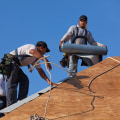
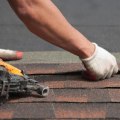
Roof collapse is a serious concern that can have catastrophic consequences for both residential and commercial properties. Understanding the dynamics of roofing systems and the factors that contribute to their failure is essential for homeowners and property managers alike. A roof is not merely a protective covering; it is a complex structure designed to withstand various environmental stresses. When these stresses exceed the roof's capacity, the risk of collapse increases significantly. Several factors can lead to a roof collapse, including excessive weight from snow accumulation, water pooling, structural deficiencies, and severe weather conditions.
Each of these elements can compromise the integrity of the roofing system, making it crucial for property owners to remain vigilant. For instance, heavy snowfall can add substantial weight to a roof, especially if it is not cleared promptly. Similarly, inadequate drainage systems can lead to water buildup, which may weaken the roofing materials over time. Moreover, understanding roofing safety is paramount in preventing such disasters. Regular inspections and maintenance are vital in identifying potential issues before they escalate into significant problems.
Homeowners should be aware of warning signs such as sagging ceilings, cracks in walls, or leaks that may indicate underlying roofing issues. By prioritizing roofing safety and being proactive about maintenance, property owners can mitigate the risks associated with roof collapse. In summary, awareness of the causes and implications of roof collapse is essential for anyone responsible for maintaining a building. By educating themselves on this critical topic, homeowners and property managers can take informed steps to protect their properties and ensure the safety of their occupants.
Common Causes of Roof Collapse
Understanding the common causes of roof collapse is essential for homeowners and property managers alike. By identifying these risks, you can take proactive measures to safeguard your structure and prevent catastrophic failures.Snow Accumulation
One of the most significant contributors to roof collapse is the accumulation of snow, particularly in regions that experience heavy winter weather.When snow builds up on a roof, it adds considerable weight that the structure must support. Each cubic foot of snow can weigh between 15 to 30 pounds, depending on its density. This weight can exceed the design limits of many roofs, especially older structures or those not built to handle such loads.To mitigate the risk of snow-related collapses, homeowners should regularly clear snow from their roofs using safe methods. Installing a snow guard system can also help manage snow load by preventing large amounts from sliding off at once, which can cause damage to lower structures or create hazards for people below.
Water Damage
Water damage is another prevalent cause of roof collapse.When roofs are not adequately maintained, issues such as clogged gutters or damaged flashing can lead to water pooling on the surface. This accumulation can weaken roofing materials over time and create conditions ripe for structural failure.Flat roofs are particularly vulnerable to water damage due to their design, which does not allow for efficient drainage. Homeowners should ensure that their drainage systems are functioning correctly and that gutters are free from debris. Regular inspections can help identify potential leaks or weak spots before they escalate into more severe problems.When roofs are not adequately maintained, issues such as clogged gutters or damaged flashing can lead to water pooling on the surface. This accumulation can weaken roofing materials over time and create conditions ripe for structural failure.Flat roofs are particularly vulnerable to water damage due to their design, which does not allow for efficient drainage. Homeowners should ensure that their drainage systems are functioning correctly and that gutters are free from debris. Regular inspections can help identify potential leaks or weak spots before they escalate into more severe problems.
Wind Damage
Strong winds can exert tremendous pressure on a roof, especially during storms or hurricanes.Wind can create a lifting effect, where the pressure beneath the roof exceeds that above it, leading to potential structural failure. This risk is heightened in coastal areas where wind speeds are typically higher.Additionally, flying debris during high winds can puncture roofing materials or dislodge shingles, exposing the underlying structure to further damage. To protect against wind damage, it is advisable to secure loose items around your property and consider reinforcing your roof with additional bracing if you live in a high-wind area.In conclusion, recognizing these common causes of roof collapse—snow accumulation, water damage, and wind effects—can empower homeowners to take necessary precautions. Regular maintenance and timely repairs are crucial in preserving the integrity of your roofing system and ensuring safety for all occupants.
The Impact of Snow Accumulation
As winter approaches, homeowners must be vigilant about the potential dangers posed by snow accumulation on their roofs.The weight of snow can significantly exceed the structural limits of a roof, leading to catastrophic failures if not properly managed. Understanding the concept of snow load is essential for maintaining the integrity of your roofing system.
Snow load
refers to the weight of accumulated snow on a roof, which varies based on several factors including the type of snow (wet or dry), the slope of the roof, and the duration of accumulation. Wet snow can weigh as much as 20 pounds per cubic foot, while dry snow may weigh around 7 pounds per cubic foot. This difference can drastically affect how much weight a roof can safely support.Most roofs are designed to handle a specific amount of snow load, typically calculated based on local building codes.
However, many homeowners are unaware of these limits and may not take action until it’s too late. Regular monitoring and maintenance are crucial during winter months to prevent excessive snow buildup.
Risks Associated with Snow Accumulation
The risks associated with snow accumulation extend beyond just structural failure. Here are some key concerns:- Structural Damage: Prolonged exposure to heavy snow can lead to sagging beams, cracked ceilings, and even complete roof collapse.
- Mold Growth: Accumulated snow can trap moisture, creating an environment conducive to mold growth within the roofing materials and attic space.
- Ice Dams: When snow melts and refreezes at the eaves, it can create ice dams that prevent proper drainage, leading to leaks and water damage inside the home.
It’s important to remove snow in layers rather than all at once to avoid sudden shifts in weight that could stress the structure.In addition to regular removal, homeowners should also consider reinforcing their roofs if they live in areas prone to heavy snowfall. Consulting with a qualified roofing contractor can provide insights into whether your roof is adequately equipped to handle expected snow loads.In conclusion, understanding the impact of snow accumulation is vital for maintaining a safe and secure home during winter months. By being proactive about monitoring and managing snow loads, homeowners can protect their properties from potential disasters associated with roof collapse.
Water Damage and Its Consequences
Water damage is one of the most insidious threats to roofing systems, often leading to severe structural issues if not addressed promptly. When water accumulates on a roof, it can penetrate the materials, causing leaks that compromise the integrity of the entire structure.Over time, even minor leaks can lead to significant problems, including mold growth, wood rot, and weakened support beams.One of the primary causes of water accumulation is inadequate drainage systems. Proper drainage is essential for directing water away from the roof and preventing pooling. Without effective drainage, water can sit on the roof for extended periods, increasing the risk of leaks and structural damage. Homeowners should ensure that their roofs are equipped with:
- Gutters: These should be regularly cleaned and maintained to ensure they can handle heavy rainfall.
- Downspouts: Properly positioned downspouts help channel water away from the foundation and prevent backflow.
- Drains: Roof drains should be strategically placed to facilitate quick water removal, especially on flat roofs.
Homeowners should conduct routine inspections of their roofs to identify any signs of wear or damage. Common indicators include:
- Stains or discoloration: These may indicate water infiltration.
- Cracks or blisters: These can allow water to seep into the roofing materials.
- Mold or mildew: The presence of these fungi suggests prolonged moisture exposure.
By investing in proper drainage systems and committing to regular maintenance, homeowners can significantly reduce the risk of roof leaks and their potentially devastating consequences.
Wind Damage: A Silent Threat
When it comes to roofing, the impact of strong winds is often underestimated. High winds can pose a significant threat to the integrity of roofs, leading to potential damage that may not be immediately visible. Understanding how wind affects roofing structures is crucial for homeowners and property managers alike.Effects of Strong Winds on Roofing
- Lift and Pressure Changes: During high winds, roofs experience changes in pressure that can create a lifting effect. This occurs when the pressure beneath the roof exceeds the pressure above it, potentially causing shingles or tiles to become dislodged.
- Debris Impact: Strong winds can carry debris such as branches, trash, or even larger objects that can strike the roof with considerable force.
This impact can lead to punctures or cracks in roofing materials.
- Water Infiltration: If wind displaces roofing materials, it can create openings that allow water to seep into the structure. This can lead to leaks and subsequent water damage, which may compromise the roof's integrity over time.
Hurricane Preparedness
In regions prone to hurricanes, taking proactive measures is essential for safeguarding roofs against wind damage. Here are some effective strategies:
- Regular Inspections: Schedule routine inspections of your roof to identify any vulnerabilities. Look for loose shingles, damaged flashing, or signs of wear that could be exacerbated by high winds.
- Reinforce Roof Structures: Consider reinforcing your roof with additional bracing or straps that can help secure it against strong winds.
This is particularly important for older homes that may not have been built to withstand modern wind standards.
- Trim Overhanging Branches: Keep trees trimmed and remove any branches that hang over your roof. This reduces the risk of branches breaking off and damaging your roof during a storm.
- Install Impact-Resistant Materials: When replacing or repairing your roof, consider using impact-resistant shingles or tiles designed to withstand high winds and flying debris.
Conclusion
The threat of wind damage is a silent but serious concern for roofing systems. By understanding how strong winds affect roofs and implementing preventive measures, homeowners can significantly reduce the risk of damage during storms. Regular maintenance and preparedness are key components in ensuring the longevity and safety of your roofing structure.
Identifying Warning Signs of Roof Problems
Recognizing the early warning signs of roof problems is essential for homeowners to prevent potential disasters, including roof collapse.Regular inspections and awareness of specific indicators can save you from costly repairs and ensure the safety of your home.
1.Ceiling Cracks
One of the most telling signs of roof issues is the appearance of cracks in your ceilings. These cracks can manifest in various forms, such as:
- Hairline cracks: Often harmless, but they can indicate underlying issues if they expand.
- Wider cracks: These may suggest significant structural problems and should be addressed immediately.
- Diagonal cracks: Typically more concerning, as they may indicate shifting or settling of the building.
2.Sagging Roofline
A noticeable sag in your roofline is a serious warning sign that should not be ignored. This sagging can occur due to:
- Excess weight: Accumulation of snow or ice can lead to structural stress.
- Water damage: Prolonged exposure to moisture can weaken the roof's integrity.
- Poor installation: If the roof was not installed correctly, it may not support its own weight over time.
3.Water Stains on Ceilings and Walls
Water stains are often a clear indication of leaks in your roof. These stains can appear as:
- Brown or yellow spots: Indicating water has penetrated through the roofing material.
- Dark patches: Suggesting prolonged moisture exposure, which could lead to mold growth.
4.Missing or Damaged Shingles
A visual inspection of your roof can reveal missing or damaged shingles.
Look for:
- Buckled shingles: Indicating that they are no longer lying flat and may allow water infiltration.
- Curling edges: A sign that shingles are aging and losing their protective qualities.
- Moss or algae growth: While not directly damaging, it can trap moisture against the roof surface, leading to deterioration.
5.Increased Energy Bills
A sudden spike in your energy bills may also indicate roofing problems. Poor insulation or ventilation due to roofing issues can lead to:
- Heat loss in winter: Causing your heating system to work harder.
- Heat gain in summer: Resulting in increased air conditioning usage.
Preventative Measures to Avoid Roof Collapse
Preventing a roof collapse requires proactive measures and regular maintenance. Homeowners and property managers should prioritize roof care to ensure the longevity and safety of their structures. Here are some essential roof maintenance tips to help avoid potential disasters:- Regular Inspections: Schedule routine inspections at least twice a year, ideally in the spring and fall.
Look for signs of wear, such as cracked shingles, rusted flashing, or sagging areas. Early detection of issues can prevent more significant problems down the line.
- Clear Debris: Keep the roof free from leaves, branches, and other debris that can trap moisture and lead to rot. Regularly clean gutters and downspouts to ensure proper drainage and prevent water accumulation.
- Snow and Ice Management: In regions prone to heavy snowfall, it’s crucial to remove snow buildup promptly. Use a roof rake to safely clear snow from the edges of the roof, but avoid climbing onto the roof unless you are trained and equipped for such tasks.
- Address Leaks Immediately: If you notice any signs of leaks or water stains on ceilings or walls, address them immediately.
Ignoring these signs can lead to extensive damage and increase the risk of collapse.
- Professional Assessments: Hire a qualified roofing contractor for a thorough assessment if you suspect structural issues. They can provide expert advice on necessary repairs or reinforcements.
- Proper Ventilation: Ensure your attic is well-ventilated to prevent heat buildup in the summer and moisture accumulation in the winter. This helps maintain the integrity of roofing materials.
- Avoid Unauthorized Modifications: Do not make any changes to your roof without consulting a professional. Adding heavy equipment or structures without proper reinforcement can significantly increase collapse risks.
By being proactive and vigilant about roof maintenance, you can significantly reduce the likelihood of a catastrophic roof failure.Remember, a well-maintained roof is your first line of defense against environmental hazards.
The Role of Professional Roofing Services
When it comes to maintaining the integrity of your home, the importance of professional roofing services cannot be overstated. A roof is not just a protective barrier; it is a complex structure that requires expert knowledge for proper installation, maintenance, and repair. Hiring qualified roofing professionals ensures that your roof is not only safe but also compliant with local building codes.One of the primary reasons to engage a professional roofer is their expertise in conducting thorough roofing inspections. These inspections are crucial for identifying potential issues before they escalate into significant problems.A trained eye can spot signs of wear and tear, such as:
- Cracked or missing shingles
- Damaged flashing
- Signs of water damage or leaks
- Improper drainage systems
- Structural weaknesses
This warranty can cover both materials and labor, ensuring that if any issues arise after the job is completed, you have recourse.In conclusion, engaging professional roofing services for inspections and repairs is vital for maintaining the safety and longevity of your roof. By investing in qualified experts, you not only protect your home but also ensure compliance with necessary regulations, ultimately safeguarding your family and property.
Case Studies: Real-Life Roof Collapses
Understanding the real-life implications of roof collapses can provide invaluable insights into the importance of maintaining roofing systems. Here are several case studies that highlight the consequences of neglecting roofing issues and the lessons learned from these unfortunate events.Case Study 1: The Collapse of a Commercial Warehouse
In 2018, a commercial warehouse in the Midwest experienced a catastrophic roof collapse due to excessive snow accumulation. The building, which had a flat roof, was not designed to handle the weight of the snow that fell during an unusually harsh winter.As the snow piled up, it created significant stress on the roof structure, ultimately leading to its failure.
- Key Takeaway: Regular inspections and snow removal are essential for flat roofs, especially in regions prone to heavy snowfall.
Case Study 2: Residential Roof Failure from Poor Maintenance
A family in New Jersey faced a devastating roof collapse when their aging roof, which had not been properly maintained, succumbed to water damage. Over time, leaks had gone unnoticed, leading to rotting wood and weakened structural integrity. During a heavy rainstorm, the compromised roof could no longer support its own weight and collapsed into the living room.- Key Takeaway: Homeowners must prioritize regular maintenance and timely repairs to prevent minor issues from escalating into major disasters.
Case Study 3: School Roof Collapse Due to Design Flaws
A school in Florida experienced a roof collapse shortly after construction was completed. Investigations revealed that the design did not account for local weather conditions, particularly high winds and heavy rain.The roof's inadequate drainage system led to water pooling, which eventually caused structural failure.
- Key Takeaway: Proper architectural planning and adherence to local building codes are crucial in preventing future collapses.
<strong>Conclusion</strong>
In summary, the threat of a roof collapse is a serious concern that should not be taken lightly. Understanding the various factors that contribute to this risk is essential for homeowners, property managers, and anyone responsible for maintaining a building.From the weight of accumulated snow to the damaging effects of water and wind, each element plays a critical role in the structural integrity of a roof.It is vital to recognize the warning signs of potential roof failure. Cracks in walls or ceilings, sagging rooflines, and water stains are all indicators that something may be amiss. Regular inspections by qualified roofing professionals can help identify these issues before they escalate into catastrophic failures.Moreover, preventative measures are key to safeguarding your property. This includes:
- Regular Maintenance: Schedule routine inspections and maintenance to ensure that your roofing system is in optimal condition.
- Snow Removal: In regions prone to heavy snowfall, it’s crucial to remove snow buildup promptly to prevent excessive weight on the roof.
- Tree Management: Trim or remove trees that pose a risk of falling onto your roof during storms.
- Proper Drainage: Ensure that gutters and downspouts are clear and functioning correctly to prevent water accumulation.
Unauthorized changes or the addition of heavy equipment without proper reinforcement can significantly increase the risk of collapse. Always consult with a roofing expert before making alterations.Ultimately, being proactive about roofing maintenance and understanding the risks involved can save lives and protect property. If you suspect any issues with your roof, do not hesitate to contact a professional roofing service. Taking immediate action can prevent minor problems from escalating into major disasters.By prioritizing roof safety and maintenance, you can ensure that your home remains a safe haven for you and your loved ones.