Understanding roof failure is crucial for any property owner, as it can have dire consequences for the overall integrity of a building. A roof serves as the first line of defense against the elements, shielding the interior from rain, snow, wind, and extreme temperatures. When a roof fails, it not only compromises the safety of the occupants but also leads to significant financial burdens due to repairs and potential damage to the structure itself.Many homeowners underestimate the importance of regular roof maintenance and often overlook minor issues until they escalate into major problems. Common signs of impending roof failure include leaks, missing shingles, and visible wear and tear.
Ignoring these warning signs can result in water damage, mold growth, and even structural instability. Therefore, being proactive about roofing issues is essential for preserving both the value of your property and the well-being of its inhabitants.Moreover, understanding the various factors that contribute to roof failure can empower homeowners to take preventive measures. From inadequate ventilation and poor drainage systems to the use of subpar materials, there are numerous elements that can lead to a compromised roof. By educating yourself on these issues and implementing regular inspections and maintenance routines, you can significantly extend the lifespan of your roof and avoid costly repairs down the line.
Common Causes of Roof Failure
Understanding the common causes of roof failure is essential for homeowners and property managers alike.By identifying these issues early, you can take proactive measures to protect your investment and ensure the longevity of your roofing system.One of the most prevalent causes of roof failure is inadequate ventilation. Proper ventilation is crucial for maintaining a balanced temperature in the attic, which helps prevent moisture buildup. When hot air becomes trapped, it can lead to a range of problems, including:
- Heat damage: Excessive heat can cause roofing materials to warp or crack.
- Mold growth: Moisture accumulation creates an ideal environment for mold and mildew, which can compromise the structural integrity of your roof.
- Ice dams: In colder climates, poor ventilation can lead to ice dams forming at the eaves, causing water to back up under shingles and leak into the home.
High-quality materials are designed to withstand harsh weather conditions and have a longer lifespan. Investing in quality roofing not only enhances durability but also improves energy efficiency.
Lack of proper maintenance
is also a leading cause of roofing problems. Regular inspections and maintenance can help identify minor issues before they escalate into major repairs. Homeowners should be vigilant about:
- Cleaning gutters and downspouts to prevent water backup.
- Inspecting for missing or damaged shingles after storms.
- Checking for signs of rust or corrosion on metal components.
Weather-related damage
is another critical concern.
Severe storms, high winds, hail, and heavy snowfall can all contribute to roof failure. For instance, strong winds can lift shingles or even entire sections of the roof, while hail can create dents and cracks that compromise waterproofing. To mitigate these risks, consider reinforcing your roof with storm-resistant materials and ensuring that trees near your home are trimmed back to prevent falling branches.Lastly, improper installation can lead to significant roofing issues. Hiring an experienced and reputable contractor is vital to ensure that your roof is installed correctly.
Poor installation practices can result in leaks, inadequate sealing, and premature wear and tear on roofing materials.By understanding these common causes of roof failure, homeowners can take informed steps to protect their roofs from damage and extend their lifespan.
Inadequate Ventilation: A Hidden Threat
When it comes to roofing, one of the most overlooked yet critical aspects is ventilation. Inadequate ventilation in the attic can lead to a myriad of problems that not only compromise the integrity of the roof but also affect the overall health of your home. Understanding how ventilation works and its importance is essential for any homeowner.Proper attic ventilation allows for a continuous flow of air, which helps regulate temperature and moisture levels. Without this airflow, hot air can become trapped in the attic during summer months, leading to excessive heat buildup.This heat can cause roofing materials to deteriorate prematurely, resulting in cracked shingles and weakened structural components. In winter, poor ventilation can lead to condensation buildup, which may cause mold growth and wood rot.
Mechanics of Ventilation
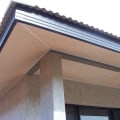
The mechanics behind effective roof ventilation involve a balance between intake and exhaust vents. Intake vents , typically located at the eaves or soffits, allow cool air to enter the attic space. Conversely, exhaust vents , found near the ridge or peak of the roof, enable hot air to escape.This natural airflow helps maintain a stable temperature and prevents moisture accumulation.To ensure optimal ventilation, it is crucial to have a proper ratio of intake to exhaust vents. A common guideline is to have one square foot of vent area for every 150 square feet of attic space. However, this ratio may vary based on local building codes and specific roof designs.
Signs of Ventilation Issues
Homeowners should be vigilant for signs indicating inadequate ventilation:- Heat buildup: If your attic feels excessively hot during summer months, it may indicate poor airflow.
- Mold or mildew: The presence of mold on rafters or insulation is a clear sign of moisture issues linked to inadequate ventilation.
- Ice dams: In colder climates, ice dams forming along the eaves can signal improper attic ventilation.
- Condensation: Water droplets forming on rafters or insulation are indicative of high humidity levels due to stagnant air.
Preventing Roof Damage Through Proper Ventilation
To prevent roof damage caused by inadequate ventilation, consider the following steps:- Assess your current ventilation: Have a professional evaluate your attic's ventilation system to identify any deficiencies.
- Install additional vents: If necessary, add more intake or exhaust vents to improve airflow.
- Keep vents clear: Regularly check and clean your vents to ensure they are not obstructed by debris or insulation.
- Consider powered ventilation: In some cases, installing powered attic fans can help enhance airflow, especially in homes with limited natural ventilation.
The Impact of Low-Quality Materials
When it comes to roofing, the quality of materials used can significantly influence the longevity and performance of your roof.Opting for low-quality roofing materials may seem like a cost-effective choice initially, but it can lead to a myriad of problems that ultimately result in higher expenses and potential safety hazards.One of the primary risks associated with cheap roofing materials is their inability to withstand harsh weather conditions. For instance, inferior shingles may crack or curl under extreme heat or heavy rain, leading to leaks and water damage inside your home. Additionally, these materials often lack the durability required to resist wind uplift, which can be particularly problematic in areas prone to storms.Moreover, low-quality materials typically have a shorter lifespan compared to their higher-end counterparts. While premium roofing options may come with warranties of 30 years or more, cheaper alternatives might only last a fraction of that time.
This means that homeowners who choose subpar materials will likely find themselves facing costly repairs or even complete roof replacements much sooner than anticipated.Another critical aspect to consider is the potential for increased energy costs. High-quality roofing materials often come with better insulation properties, helping to regulate indoor temperatures and reduce heating and cooling expenses. In contrast, low-quality options may allow for significant heat loss in winter and excessive heat gain in summer, leading to higher energy bills.Furthermore, using cheap materials can compromise the overall aesthetic appeal of your home. A roof is a prominent feature of any building, and low-quality materials can detract from its appearance, making it look worn or unattractive much sooner than expected.To avoid the pitfalls associated with low-quality roofing materials, it is essential to invest in reputable brands known for their durability and performance.
When selecting roofing materials, consider factors such as:
- Material Type: Asphalt shingles, metal roofing, tile, and slate all have different lifespans and maintenance requirements.
- Manufacturer Reputation: Research brands and read reviews to ensure you are choosing a reliable product.
- Warranty Coverage: Look for products that offer comprehensive warranties as an indicator of quality.
- Local Climate: Choose materials that are specifically designed to withstand the weather conditions in your area.
The Importance of Proper Installation Techniques
When it comes to roofing, the significance of proper installation techniques cannot be overstated. A roof is a complex system that requires meticulous attention to detail during installation. Unfortunately, many homeowners underestimate the impact of installation errors, which can lead to severe consequences, including premature roof failure.One of the most common roof installation mistakes is improper alignment of roofing materials.Whether it’s shingles, tiles, or metal panels, each component must be installed in accordance with the manufacturer’s specifications. Misalignment can create gaps that allow water to seep through, leading to leaks and structural damage over time.Another critical aspect is the inadequate sealing of joints and seams. Roofs are exposed to various weather conditions, and without proper sealing, moisture can infiltrate these vulnerable areas. This not only compromises the integrity of the roof but also increases the risk of mold growth and wood rot within the structure.
Professional installation
is essential for ensuring that all components are correctly fitted and sealed.
Experienced roofing contractors understand the nuances of different materials and can anticipate potential issues that may arise during installation. They are trained to follow best practices that enhance the longevity and performance of the roof.Moreover, using subpar materials or cutting corners during installation can lead to significant long-term costs. For instance, opting for cheaper underlayment may save money upfront but could result in higher expenses due to frequent repairs or even a complete roof replacement sooner than expected.To avoid these pitfalls, it is crucial to hire qualified professionals who have a proven track record in roofing projects. Look for contractors who are licensed, insured, and have positive reviews from previous clients.
A reputable contractor will not only ensure proper installation techniques but also provide warranties that protect your investment.In conclusion, investing in professional roofing installation is a vital step in safeguarding your home against potential failures. By prioritizing quality workmanship and materials, you can enjoy peace of mind knowing that your roof is built to withstand the elements for years to come.
Water Accumulation and Drainage Issues
Water accumulation on roofs is a significant concern that can lead to severe structural damage if not properly managed. This issue is particularly pronounced in flat roofs, which are more susceptible to pooling water due to their minimal slope. Unlike sloped roofs, which allow water to run off easily, flat roofs can trap water, leading to various complications.One of the primary risks associated with water accumulation is the potential for leaks.When water sits on a roof for extended periods, it can seep through seams and joints, compromising the integrity of the roofing material. This can result in interior damage, including mold growth and structural weakening. Additionally, stagnant water can lead to the deterioration of roofing materials, reducing their lifespan significantly.
Understanding Roof Drainage Problems
Effective drainage systems are crucial for preventing water accumulation. A well-designed drainage system should include:- Drains: Properly placed drains help channel water away from the roof surface.
- Gutters: These should be regularly cleaned and maintained to ensure they function correctly.
- Downspouts: They should direct water away from the foundation of the building to prevent further issues.
Regular inspections and maintenance are essential to ensure that all components are functioning as intended.
Flat Roof Issues and Solutions
Flat roofs present unique challenges when it comes to drainage. The lack of slope means that any debris, such as leaves or dirt, can easily accumulate and block drainage points. To mitigate these risks:- Regular Cleaning: Schedule routine cleanings to remove debris from the roof surface and drainage systems.
- Install Tapered Insulation: This can help create a slight slope on flat roofs, encouraging water runoff.
- Use High-Quality Materials: Invest in durable roofing materials that are designed to withstand standing water.
Wind Damage: Protecting Your Roof from Nature's Fury
Strong winds can pose a significant threat to the integrity of your roof, especially during stormy weather or hurricane season.Understanding how wind affects roofing materials and structures is crucial for homeowners looking to protect their investments. Wind can create a lifting effect on roofs, particularly in coastal areas where gusts can reach alarming speeds. This pressure differential can lead to shingles being torn off, tiles cracking, or even entire sections of the roof being compromised.To safeguard your roof from wind damage, consider the following strategies:
- Regular Inspections: Conduct routine inspections of your roof, especially before storm season. Look for loose shingles, damaged tiles, or any signs of wear that could be exacerbated by high winds.
- Secure Loose Materials: Ensure that all roofing materials are properly secured.
This includes checking that shingles are nailed down correctly and that tiles are not loose. If you notice any issues, consult a professional roofer for repairs.
- Trim Overhanging Branches: Trees near your home can pose a risk during high winds. Trim back any branches that hang over your roof to prevent them from causing damage if they break off during a storm.
- Install Wind-Resistant Roofing: If you live in an area prone to severe weather, consider investing in wind-resistant roofing materials. These products are designed to withstand higher wind speeds and can significantly reduce the risk of damage.
- Check Flashing and Seals: The flashing around chimneys, vents, and skylights is critical for preventing leaks.
Ensure these areas are well-sealed and intact to avoid water intrusion during storms.
Addressing Minor Damage Before It Escalates
When it comes to roofing, minor damage may seem trivial at first glance, but neglecting these small issues can lead to significant problems over time. Addressing minor roof damage promptly is crucial for maintaining the integrity of your roof and preventing costly repairs in the future.Common types of minor roof damage include:- Missing or Damaged Shingles: Shingles can be dislodged by strong winds or damaged by hail.
If left unattended, this can lead to leaks and further deterioration.
- Cracks and Blisters: These can develop due to temperature fluctuations or poor installation. They can allow water to seep into the underlying layers of the roof.
- Rust on Metal Components: Metal roofs are susceptible to rust, which can weaken structural elements and lead to leaks.
- Clogged Gutters: When gutters are blocked, water can pool on the roof, increasing the risk of leaks and structural damage.
The Importance of Timely Repairs
Addressing these minor issues as soon as they are detected is essential. For instance, a small leak caused by a missing shingle can quickly escalate into extensive water damage, mold growth, and even structural issues if not repaired promptly. Regular inspections can help identify these problems early on.
Maintenance Tips
- Conduct Regular Inspections: At least twice a year, inspect your roof for any signs of damage.
Pay special attention after severe weather events.
- Keep Gutters Clean: Ensure that your gutters are free from debris to allow proper drainage and prevent water accumulation on the roof.
- Address Issues Immediately: If you notice any minor damage, such as missing shingles or small leaks, contact a professional roofing contractor for repairs without delay.
- Invest in Quality Materials: Using high-quality roofing materials can reduce the likelihood of minor damages occurring in the first place.
The Role of Regular Maintenance in Roof Longevity
Regular maintenance is a critical factor in ensuring the longevity of your roof. Just like any other part of your home, your roof requires attention and care to perform optimally over time. Neglecting routine maintenance can lead to minor issues escalating into significant problems, ultimately resulting in costly repairs or even premature roof replacement.One of the most effective ways to maintain your roof is through regular inspections.Homeowners should aim to inspect their roofs at least twice a year, ideally in the spring and fall. During these inspections, look for signs of wear and tear, such as:
- Missing or damaged shingles
- Cracked tiles
- Rust on metal components
- Debris accumulation in gutters and valleys
- Signs of water damage or leaks in the attic
Regularly cleaning your roof not only enhances its appearance but also helps prevent the growth of harmful organisms that can compromise its integrity.Another important aspect of roof maintenance is ensuring proper drainage. Clogged gutters can cause water to back up and seep under shingles, leading to leaks and structural damage. Homeowners should clean their gutters at least twice a year and consider installing gutter guards to minimize debris buildup.
Professional maintenance services
can also play a vital role in prolonging the life of your roof. Hiring a qualified roofing contractor for annual inspections and maintenance can provide peace of mind.
These professionals have the expertise to identify potential issues that may go unnoticed by an untrained eye.In summary, regular maintenance is essential for extending the lifespan of your roof. By conducting routine inspections, cleaning debris, ensuring proper drainage, and seeking professional help when needed, homeowners can protect their investment and enjoy a durable roof for many years to come.
<strong>Conclusion: Safeguarding Your Roof</strong>
In conclusion, safeguarding your roof is not merely about addressing issues as they arise; it requires a proactive approach to maintenance and care. A well-maintained roof is essential for the longevity of your home and the safety of its occupants. By understanding the common causes of roof failure and implementing preventive measures, you can significantly extend the life of your roofing system.Regular inspections are a cornerstone of effective roof maintenance.It is advisable to conduct a thorough inspection at least twice a year, ideally in the spring and fall. During these inspections, look for signs of wear and tear, such as cracked shingles, rusted flashing, or sagging areas. Early detection of these issues can prevent more extensive damage and costly repairs down the line.Additionally, consider the importance of professional maintenance. While DIY inspections can be beneficial, hiring a qualified roofing contractor for periodic evaluations ensures that any hidden problems are identified and addressed promptly.
Professionals have the expertise to spot potential issues that may not be visible to the untrained eye.Another critical aspect of roof protection is ensuring proper ventilation and insulation. As discussed earlier, inadequate ventilation can lead to heat buildup in the attic, which can damage roofing materials over time. Proper insulation not only helps maintain energy efficiency but also contributes to the overall health of your roof.Furthermore, keeping gutters and downspouts clear is vital for preventing water accumulation on your roof. Clogged gutters can lead to water pooling, which increases the risk of leaks and structural damage.
Regularly cleaning your gutters and ensuring that they are functioning correctly will help direct water away from your roof and foundation.Finally, be mindful of environmental factors that could impact your roof's integrity. For instance, overhanging tree branches should be trimmed back to prevent them from damaging your roof during storms or high winds. Additionally, if you live in an area prone to severe weather conditions, consider investing in roofing materials designed to withstand such challenges.By taking these proactive steps—conducting regular inspections, hiring professionals for maintenance, ensuring proper ventilation and insulation, keeping gutters clear, and being aware of environmental risks—you can effectively safeguard your roof against failure. Remember that a little effort today can save you from significant headaches tomorrow.