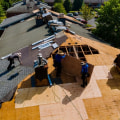
When it comes to homeownership, few aspects are as critical yet often overlooked as the roof. A well-maintained roof not only protects your home from the elements but also contributes significantly to its overall value and aesthetic appeal. However, common roofing problems can arise unexpectedly, leading to costly repairs and potential safety hazards. Understanding these issues is essential for every homeowner who wishes to safeguard their investment.Roofing issues can manifest in various forms, from minor leaks to severe structural damage.
These problems often stem from a combination of environmental factors, poor installation practices, and lack of regular maintenance. For instance, harsh weather conditions such as heavy rain, snow, or extreme heat can exacerbate existing vulnerabilities in your roofing system. Additionally, neglecting routine inspections can allow small issues to escalate into major concerns that require extensive repairs.Moreover, the impact of roofing problems extends beyond mere aesthetics; they can affect your home’s energy efficiency and indoor air quality. A compromised roof may lead to increased energy bills due to poor insulation and ventilation, while also creating an environment conducive to mold growth.
Therefore, understanding the significance of roof maintenance is crucial for preventing these issues before they spiral out of control.In this article, we will delve deeper into the most prevalent roofing problems faced by homeowners today. By identifying these challenges early on and implementing effective preventive measures, you can ensure that your roof remains a reliable shield against the elements for years to come.
Identifying Roof Leaks: Causes and Solutions
Roof leaks can be a homeowner's worst nightmare, leading to extensive damage if not addressed promptly. Understanding the causes of roof leaks is essential for effective prevention and repair. Here are some common culprits:- Damaged Shingles: Over time, shingles can become cracked, curled, or completely missing due to weather exposure.
This damage allows water to penetrate beneath the surface, leading to leaks.
- Poor Installation: If roofing materials are not installed correctly, it can create gaps and vulnerabilities. Inadequate sealing around chimneys, vents, and skylights can also contribute to leaks.
- Clogged Gutters: When gutters are blocked with debris, water cannot flow freely away from the roof. This can cause water to pool on the roof and eventually seep into the home.
- Flashing Issues: Flashing is the material used to direct water away from critical areas of the roof. If flashing is damaged or improperly installed, it can lead to significant leaks.
- Age of the Roof: As roofs age, they naturally become more susceptible to leaks.
Regular inspections are crucial for older roofs to catch potential issues early.
- Visual Inspection: Regularly inspect your roof for visible signs of damage such as missing shingles or rusted flashing. Pay close attention to areas where different materials meet.
- Check for Water Stains: Inside your home, look for water stains on ceilings and walls, particularly near chimneys and vents. These stains often indicate a leak above.
- Conduct a Water Test: If you suspect a leak but cannot find it visually, consider using a hose to simulate rain.
Start at the bottom of the roof and work your way up, checking for leaks inside as you go.
- Hire a Professional: If you’re unable to locate the source of a leak or if repairs seem beyond your skill level, it’s wise to consult a roofing professional. They have the expertise and tools necessary to identify and fix leaks effectively.
The Importance of Proper Roof Installation
When it comes to roofing, the significance of proper installation cannot be overstated.A well-installed roof not only enhances the aesthetic appeal of your home but also serves as a critical barrier against the elements. Unfortunately, many homeowners overlook this aspect, leading to a host of problems that could have been easily avoided.
Common Installation Mistakes
- Improper Flashing: Flashing is essential for directing water away from critical areas such as chimneys and vents. If not installed correctly, it can lead to leaks and water damage.
- Inadequate Underlayment: The underlayment acts as an additional layer of protection against moisture. Skipping this step or using subpar materials can compromise the roof's integrity.
- Poorly Aligned Shingles: Misaligned shingles can create gaps that allow water to seep through.
Ensuring that shingles are properly aligned and secured is crucial for preventing leaks.
- Neglecting Ventilation: Proper ventilation is vital for maintaining a healthy roof. Failing to install adequate vents can lead to heat buildup and moisture retention, causing premature deterioration.
- Check Credentials: Ensure that the contractor is licensed and insured.
This protects you from liability in case of accidents during installation.
- Read Reviews: Look for customer testimonials and reviews online. A contractor with a solid reputation will have positive feedback from previous clients.
- Ask for References: Don’t hesitate to ask for references from past projects. Speaking directly with former clients can provide insight into the contractor's work ethic and quality.
- Get Multiple Quotes: Obtain estimates from several contractors to compare pricing and services offered. This will help you make an informed decision based on your budget and needs.
By avoiding common installation mistakes and choosing a qualified contractor, you can ensure that your roof remains durable and effective for years to come.
Flat Roof Challenges: Risks and Remedies
Flat roofs, while often chosen for their modern aesthetic and space-saving benefits, present unique challenges that can lead to significant issues if not properly managed. One of the primary concerns with flat roofs is water accumulation. Unlike pitched roofs, which allow water to run off easily, flat roofs can trap water, especially in areas with heavy rainfall or snow. This stagnant water can lead to a host of problems, including:- Structural Damage: Prolonged exposure to standing water can weaken the roofing materials and the underlying structure, leading to costly repairs.
- Mold and Mildew Growth: Moisture accumulation creates an ideal environment for mold and mildew, which can affect indoor air quality and pose health risks.
- Membrane Deterioration: The roofing membrane can degrade faster when exposed to constant moisture, leading to leaks and further damage.
Homeowners should consider implementing the following practices:
- Regular Inspections: Schedule inspections at least twice a year, ideally in spring and fall. Look for signs of wear, such as cracks or blisters in the roofing material.
- Clear Debris: Remove leaves, branches, and other debris that can trap water on the roof surface. This simple step can significantly reduce the risk of water pooling.
- Check Drainage Systems: Ensure that gutters and downspouts are clear and functioning properly. Clogged drainage systems can exacerbate water accumulation issues.
Some effective flat roof solutions include:
- Installing a Slope: If feasible, adding a slight slope to the roof can help facilitate water drainage.
- Upgrading Materials: Consider using high-quality roofing materials designed for flat roofs that offer better resistance to water damage.
- Professional Repairs: Engage a qualified roofing contractor for any significant repairs or upgrades. Their expertise can ensure that solutions are effective and long-lasting.
Ventilation Issues: How They Affect Your Roof
Proper roof ventilation is a critical aspect of maintaining the integrity and longevity of your roofing system. It plays a vital role in regulating temperature and moisture levels within your attic space, which can significantly impact the overall health of your roof. When ventilation is inadequate, it can lead to a host of problems that not only affect the roof itself but also the entire home.Effects of Poor Ventilation
- Heat Accumulation: Inadequate ventilation can cause heat to build up in the attic, especially during hot summer months.
This trapped heat can lead to increased temperatures in your living spaces, resulting in higher energy bills as air conditioning systems work harder to cool your home.
- Moisture Buildup: Poor ventilation traps moisture in the attic, which can lead to condensation. This moisture can promote mold growth and wood rot, compromising the structural integrity of your roof and potentially leading to costly repairs.
- Ice Dams: In colder climates, insufficient ventilation can contribute to the formation of ice dams. When warm air from the attic melts snow on the roof, the water can refreeze at the eaves, creating ice dams that prevent proper drainage and lead to leaks.
- Shortened Roof Lifespan: The combination of heat and moisture buildup can significantly reduce the lifespan of roofing materials. Shingles may become brittle and crack, leading to premature replacement needs.
Improving Roof Ventilation
To enhance your roof's ventilation, consider implementing the following strategies:
- Install Soffit Vents: These vents are located under the eaves and allow cool air to enter the attic space.
They work best when paired with exhaust vents at the roof's peak.
- Add Ridge Vents: Ridge vents run along the peak of your roof and allow hot air to escape. This creates a continuous flow of air that helps regulate temperature and moisture levels.
- Use Gable Vents: If your home has gable ends, installing gable vents can help facilitate airflow through the attic.
- Consider Powered Ventilation: In some cases, powered attic ventilators can be installed to actively remove hot air from the attic space. However, these should be used judiciously as they can increase energy consumption.
Insulation: A Key Component of Roofing Health
When it comes to maintaining the integrity and efficiency of your home, roof insulation plays a pivotal role.Proper insulation not only helps regulate indoor temperatures but also contributes significantly to energy savings and overall roof health. In this section, we will explore the importance of insulation, common issues homeowners face, and best practices for ensuring your roof is adequately insulated.
The Importance of Insulation
Insulation acts as a barrier against heat loss in the winter and heat gain in the summer. Without sufficient insulation, your home can become uncomfortable, leading to increased reliance on heating and cooling systems. This not only affects your comfort but also results in higher energy bills.
In fact, studies show that up to 25% of a home's heat can escape through the roof if it is not properly insulated.Moreover, inadequate insulation can lead to moisture buildup in the attic space, which can cause mold growth and structural damage over time. This makes it essential for homeowners to prioritize roof insulation as part of their overall home maintenance strategy.
Common Insulation Issues
- Poor Installation: One of the most frequent problems is improper installation. If insulation is not installed correctly, gaps can form, allowing air to escape and reducing its effectiveness.
- Insufficient R-Value: The R-value measures insulation's resistance to heat flow. If your insulation has a low R-value for your climate zone, it may not provide adequate protection against temperature fluctuations.
- Moisture Damage: Insulation that becomes wet due to leaks or condensation loses its effectiveness and can promote mold growth.
Best Practices for Effective Insulation
- Choose the Right Material: There are various types of insulation materials available, including fiberglass, foam board, and spray foam.
Each has its advantages and disadvantages depending on your specific needs.
- Ensure Proper Ventilation: Adequate ventilation in the attic is crucial for maintaining insulation performance. It helps prevent moisture buildup that can compromise insulation integrity.
- Regular Inspections: Conducting regular inspections of your roof and attic can help identify any insulation issues early on. Look for signs of moisture or gaps in the insulation that may need addressing.
Recognizing Damaged Shingles: Prevention and Repair
Damaged shingles are a significant concern for homeowners, as they can severely compromise the integrity of your roof.Recognizing the signs of shingle damage early can save you from costly repairs and extensive damage to your home. Here’s how to identify damaged shingles and what steps you can take for prevention and repair.
Identifying Damaged Shingles
Shingles can sustain various types of damage, including:- Cracks and Splits: Look for visible cracks or splits in the shingles. These can allow water to seep underneath, leading to leaks.
- Curled Edges: If the edges of your shingles are curling upwards, it may indicate that they are aging or have been exposed to extreme weather conditions.
- Missing Shingles: A missing shingle is an obvious sign of damage. This can expose the underlying roof structure to the elements.
- Granule Loss: Check for granules in your gutters or on the ground.
Granules protect shingles from UV rays, and their loss can lead to premature aging.
- Discoloration: Fading or discoloration can indicate that shingles are deteriorating and may need replacement.
Preventive Measures
To prevent shingle damage, consider the following maintenance tips:- Regular Inspections: Conduct visual inspections at least twice a year, especially after severe weather events. Look for any signs of wear or damage.
- Clean Gutters: Ensure that gutters are free from debris. Clogged gutters can cause water to back up and damage shingles.
- Trim Overhanging Branches: Trees that hang over your roof can scratch shingles during windy conditions or drop debris that may cause damage.
- Proper Ventilation: Ensure your attic is well-ventilated to prevent heat buildup, which can warp shingles over time.
Repairing Damaged Shingles
If you discover damaged shingles, prompt action is essential. Depending on the extent of the damage, you may be able to repair them yourself or may need to hire a professional.For minor issues like cracks or curling, you can often use roofing cement to seal them. However, if shingles are missing or extensively damaged, replacement is necessary.If you're unsure about the repair process or if the damage is widespread, it's advisable to consult with a roofing professional who can assess the situation and recommend appropriate solutions. Taking these steps will help maintain your roof's integrity and protect your home from potential water damage.
The Value of Regular Roof Inspections
Regular roof inspections are a critical component of home maintenance that often goes overlooked. Many homeowners tend to wait until they notice visible signs of damage before considering an inspection, but this reactive approach can lead to more significant issues and costly repairs down the line.By scheduling routine inspections, you can identify potential problems early and take proactive measures to protect your investment.
Why Are Roof Inspections Important?
- Early Detection of Issues: Regular inspections allow for the early identification of minor problems, such as cracked shingles or loose flashing, before they escalate into major repairs.
- Prolonging Roof Lifespan: By addressing small issues promptly, you can extend the life of your roof, saving you money in the long run.
- Insurance Benefits: Some insurance policies may require proof of regular maintenance and inspections. Keeping a record of these can be beneficial when filing claims.
- Energy Efficiency: A well-maintained roof contributes to better insulation and ventilation, which can lead to lower energy bills.
When Should You Inspect Your Roof?
The frequency of roof inspections can depend on various factors, including the age of your roof, the type of roofing material, and local weather conditions. However, a general guideline is to conduct a thorough inspection at least twice a year—once in the spring and once in the fall. Additionally, it’s wise to schedule an inspection after severe weather events such as heavy storms or hail.
What to Expect During an Inspection
A professional roofing contractor will typically follow a comprehensive checklist during an inspection.
Here are some key areas they will evaluate:
- Shingles: Checking for missing, cracked, or curling shingles that could lead to leaks.
- Flashing: Inspecting metal flashings around chimneys, vents, and skylights for signs of rust or damage.
- Gutters and Downspouts: Ensuring that gutters are clear of debris and functioning properly to direct water away from the roof.
- Interior Inspection: Looking for signs of water damage or mold in the attic or ceilings that could indicate a roof leak.
Conclusion: Protecting Your Home Through Proactive Roofing Care
In conclusion, safeguarding your home from potential roofing issues is not just about addressing problems as they arise; it’s about adopting a proactive approach to maintenance and care. Throughout this article, we have explored various common roofing problems, including leaks, poor installation, flat roof challenges, inadequate ventilation, insufficient insulation, and damaged shingles.Each of these issues can lead to significant damage if not addressed promptly.
Regular inspections
are essential in identifying potential problems before they escalate. By scheduling annual roof inspections with a qualified roofing professional, homeowners can catch minor issues early on, saving both time and money in the long run. These inspections should include a thorough examination of shingles, flashing, gutters, and ventilation systems.Moreover, understanding the importance of proper installation cannot be overstated. Engaging a reputable contractor ensures that your roof is installed correctly from the start, minimizing the risk of future complications.
This is particularly crucial for complex roofing systems or when using specialized materials.Additionally, maintaining adequate ventilation and insulation in your attic space is vital for prolonging the life of your roof. Proper airflow helps to regulate temperature and moisture levels, preventing damage caused by trapped heat or humidity.Lastly, being vigilant about damaged shingles and other visible signs of wear can help you take action before small issues turn into major repairs. Regularly clearing debris from your roof and gutters will also aid in preventing water accumulation and subsequent leaks.By implementing these proactive measures and prioritizing regular maintenance, you can protect your home from the costly repercussions of roofing problems. Remember, a well-maintained roof not only enhances the aesthetic appeal of your home but also contributes significantly to its overall value and safety.