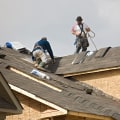
Roofing is often perceived as a straightforward task, but the reality is that it encompasses a myriad of dangers that can have serious consequences for those who undertake it. Understanding the risks of roofing is essential not only for the safety of the workers but also for homeowners who rely on these professionals to protect their homes. The dangers associated with roofing extend beyond the obvious risks of working at heights; they include exposure to harsh weather conditions, the use of heavy machinery, and the potential for accidents that can lead to severe injuries or even fatalities.One of the most alarming aspects of roofing is the high incidence of falls, which account for a significant percentage of injuries and deaths in this profession. Roofers often work on steep slopes and uneven surfaces, making them vulnerable to slips and tumbles.
However, falls are just one piece of the puzzle. Other hazards such as electrical shocks from power tools, heat-related illnesses from prolonged sun exposure, and injuries from lifting heavy materials also pose substantial risks. Each of these factors contributes to a dangerous work environment that demands rigorous safety protocols and training.For homeowners, understanding these roofing dangers is crucial when hiring a roofing contractor. It’s important to choose professionals who prioritize safety and are equipped with the necessary training and equipment to mitigate these risks.
By being informed about the potential hazards that roofers face, homeowners can make better decisions and ensure that their roofing projects are completed safely and effectively. In this article, we will delve deeper into the various dangers associated with roofing, exploring not only the statistics but also practical safety measures that can be implemented to protect both workers and homeowners alike.
Statistics on Roofing Hazards
Understanding the statistics surrounding roofing hazards is essential for grasping the severity of risks faced by professionals in this field. The construction industry, particularly roofing, is notorious for its high accident rates and mortality statistics. According to the Bureau of Labor Statistics (BLS), roofing is ranked among the top five most dangerous occupations in the United States.To put this into perspective, the fatality rate for roofers stands at approximately 32 deaths per 100,000 workers.This alarming figure highlights the inherent dangers associated with roofing work. In fact, falls account for more than 50% of all fatalities in this profession, making it the leading cause of death among roofers.In addition to falls, other significant hazards contribute to the high accident rates in roofing. The following statistics illustrate some of these dangers:
- Electrocution: Roofers are often exposed to electrical hazards, especially when working near power lines or using electric tools. Electrocution accounts for approximately 10% of roofing-related fatalities.
- Struck by Objects: Tools and materials can fall from heights, posing a serious risk to roofers and those below.
This type of accident represents around 8% of fatalities in the roofing sector.
- Heat-Related Illnesses: Working outdoors exposes roofers to extreme temperatures. Studies indicate that heat-related illnesses affect nearly 20% of roofers during peak summer months.
- Lacerations and Burns: Handling sharp tools and materials can lead to serious injuries. Lacerations and burns are common, with reports indicating they account for about 15% of all injuries sustained on the job.
With a high mortality rate and numerous potential accidents, it is crucial for both employers and workers to prioritize safety measures and training to mitigate these dangers.
Common Hazards in Roofing Work
Roofing work is fraught with a variety of hazards that can pose serious risks to the safety and well-being of workers. Understanding these dangers is essential for both roofers and homeowners alike, as it highlights the importance of safety measures and training in this demanding profession.1.Falls
One of the most significant hazards in roofing is the risk of falls. Statistics indicate that falls account for over 50% of fatalities in the roofing industry. Roofers often work at considerable heights, which increases the likelihood of accidents.
Factors contributing to falls include:
- Unstable surfaces: Roofs can be slippery due to rain, snow, or ice, making it difficult for workers to maintain their footing.
- Lack of proper safety equipment: Failure to use harnesses, guardrails, or other fall protection systems can lead to severe injuries or fatalities.
- Improper training: Workers who are not adequately trained in fall prevention techniques are at a higher risk.
2.Electrocution
Another critical hazard is electrocution, which can occur when roofers come into contact with overhead power lines or faulty electrical systems. The risk is particularly high during:
- Installation of roofing materials: Metal roofing materials can conduct electricity, increasing the danger if workers are not cautious.
- Working near electrical equipment: Roofers must be aware of their surroundings and maintain a safe distance from live wires.
3.Heat-Related Illnesses
Roofers often work outdoors in extreme temperatures, which can lead to heat-related illnesses such as heat exhaustion, heat stroke, and dehydration. Factors that exacerbate these conditions include:
- Lack of hydration: Failing to drink enough water can quickly lead to dehydration.
- Inadequate breaks: Working long hours without rest can increase the risk of heat-related issues.
- Poor ventilation: Working in confined spaces or poorly ventilated areas can trap heat and humidity.
4.Other Hazards
Apart from falls, electrocution, and heat-related illnesses, roofers face several other hazards including:
- Tool injuries: Improper use of power tools can result in cuts, lacerations, or other injuries.
- Material handling injuries: Lifting heavy materials can lead to musculoskeletal injuries if proper lifting techniques are not employed.
- Weather conditions: Adverse weather such as high winds or storms can create unsafe working conditions.
The Impact of Falls in Roofing
Falls are a significant concern in the roofing industry, representing one of the most prevalent causes of injuries and fatalities among roofers.According to the Occupational Safety and Health Administration (OSHA), falls account for approximately 33% of all construction-related deaths , making them a critical issue that demands immediate attention and action.Statistics reveal that roofing is particularly hazardous, with roofers facing a fall risk that is significantly higher than many other professions. In fact, the National Institute for Occupational Safety and Health (NIOSH) reports that roofers are more likely to experience fatal falls than workers in other construction trades. This alarming trend underscores the necessity for effective fall prevention strategies.
Understanding Fall Risks
Several factors contribute to the high incidence of falls in roofing:- Height: Roofers often work at considerable heights, which increases the potential for serious injuries or fatalities in the event of a fall.
- Slippery Surfaces: Weather conditions such as rain, snow, or ice can create slippery surfaces, making it difficult for roofers to maintain their footing.
- Lack of Proper Equipment: Inadequate safety gear or failure to use personal protective equipment (PPE) can exacerbate fall risks.
- Inexperience: New or untrained workers may not be fully aware of safe practices and protocols, increasing their vulnerability to accidents.
Fall Prevention Strategies
To combat the dangers associated with falls in roofing, implementing robust fall prevention measures is essential. Here are some effective strategies:- Use of Safety Harnesses: Roofers should always wear safety harnesses attached to secure anchor points to prevent falls from heights.
- Guardrails and Safety Nets: Installing guardrails around the perimeter of roofs and using safety nets can provide additional protection against falls.
- Regular Training: Conducting regular safety training sessions ensures that all workers are aware of fall hazards and know how to use safety equipment properly.
- Site Inspections: Regular inspections of job sites can help identify potential hazards before they lead to accidents.
By understanding the risks associated with falls and implementing effective prevention strategies, roofing companies can significantly reduce the likelihood of accidents and protect their workers' lives. Investing in safety not only safeguards employees but also enhances overall productivity and morale on the job site.
Electrocution and Other Electrical Hazards
When it comes to roofing, one of the most significant yet often overlooked dangers is the risk of electrocution. Roofers frequently work in close proximity to electrical lines and equipment, making them vulnerable to electrical hazards that can lead to severe injuries or even fatalities.Common Scenarios Leading to Electrocution
- Contact with Overhead Power Lines: One of the most prevalent causes of electrocution in roofing occurs when workers inadvertently come into contact with overhead power lines. This can happen during the installation of roofing materials or while using ladders and scaffolding.
- Improper Use of Electrical Tools: Many roofing tasks require the use of power tools, which can pose a risk if not used correctly.
Faulty wiring, damaged cords, or using tools in wet conditions can increase the likelihood of electrical shock.
- Inadequate Grounding: Electrical equipment must be properly grounded to prevent shock. Roofers should ensure that all tools and machinery are equipped with ground fault circuit interrupters (GFCIs) to minimize risks.
Safety Tips for Roofers
To mitigate the risks associated with electrical hazards, roofers should adhere to the following safety practices:
- Conduct a Site Assessment: Before starting any roofing project, assess the worksite for nearby electrical hazards. Identify overhead power lines and mark them clearly to avoid accidental contact.
- Use Insulated Tools: Whenever possible, utilize insulated tools designed for electrical work. These tools can help protect against accidental shocks.
- Wear Personal Protective Equipment (PPE): Equip yourself with appropriate PPE, including rubber-soled boots and gloves that provide insulation against electrical currents.
- Follow Lockout/Tagout Procedures: When working on or near electrical systems, always follow lockout/tagout procedures to ensure that equipment is de-energized before beginning work.
- Stay Educated: Regular training on electrical safety and awareness of potential hazards is crucial.
Roofers should participate in ongoing education programs to stay informed about best practices and new safety regulations.
Heat-Related Illnesses in Roofing Work
Working in the roofing industry exposes laborers to a variety of environmental hazards, with extreme heat and humidity being among the most significant. Roofers often find themselves laboring under the blazing sun for extended periods, which can lead to serious heat-related illnesses if proper precautions are not taken.Understanding Heat-Related Illnesses
Heat-related illnesses encompass a range of conditions that can occur when the body overheats. The most common types include:
- Heat Exhaustion: Symptoms include heavy sweating, weakness, dizziness, nausea, and headache.
If left untreated, it can progress to heat stroke.
- Heat Stroke: This is a severe condition that occurs when the body temperature rises to 104°F (40°C) or higher. Symptoms may include confusion, loss of consciousness, and seizures. Heat stroke is a medical emergency that requires immediate attention.
- Heat Cramps: Painful muscle contractions typically occurring in the legs or abdomen due to loss of electrolytes through sweating.
- Heat Rash: A skin irritation caused by excessive sweating, leading to red clusters of pimples or blisters.
Preventing Heat Stress
To mitigate the risks associated with heat exposure, roofers should adopt several preventive measures:
- Hydration: Drink plenty of water before, during, and after work. Aim for at least 1 cup every 15-20 minutes to stay adequately hydrated.
- Rest Breaks: Schedule regular breaks in shaded or cool areas to allow the body to recover from heat exposure.
- Appropriate Clothing: Wear lightweight, loose-fitting clothing made from breathable fabrics.
Light-colored clothing can also help reflect sunlight.
- Acclimatization: Gradually increase exposure to high temperatures over several days to allow the body to adjust.
- Monitoring Conditions: Keep an eye on weather forecasts and heat advisories. Use tools like wet bulb globe temperature (WBGT) meters to assess heat stress levels on-site.
Conclusion
The dangers of working in extreme heat cannot be overstated. By understanding the symptoms of heat-related illnesses and implementing effective prevention strategies, roofers can protect themselves from serious health risks while performing their essential work. Awareness and preparation are key components in ensuring safety on the job site during hot weather conditions.
Protective Gear and Safety Equipment for Roofers
In the roofing industry, the importance of protective gear and safety equipment cannot be overstated.Given the inherent risks associated with working at heights and handling heavy materials, having the right safety tools is essential for minimizing accidents and injuries. Below are some of the most critical items that every roofer should utilize to ensure their safety on the job.
- Hard Hats: Protecting the head from falling objects is paramount. Hard hats are designed to absorb impact and prevent serious head injuries.
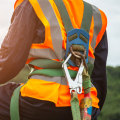
- Safety Harnesses: A safety harness is crucial for preventing falls. When working on steep roofs or at significant heights, a properly fitted harness can save lives by anchoring the worker securely to a stable point.
- Non-Slip Footwear: Roofers should wear shoes with excellent traction to reduce the risk of slips and falls.
Non-slip boots with rubber soles provide better grip on various roofing materials.
- Protective Eyewear: Safety goggles or glasses protect against debris, dust, and harmful UV rays. This is especially important when cutting materials or working in sunny conditions.
- Gloves: Durable gloves not only protect hands from cuts and abrasions but also provide a better grip on tools and materials, reducing the likelihood of accidents.
- Respirators: In situations where roofers are exposed to harmful dust or fumes, wearing a respirator can help prevent respiratory issues. This is particularly relevant during the removal of old roofing materials.
- High-Visibility Vests: Wearing high-visibility clothing ensures that roofers are easily seen by others on-site, which is crucial for preventing accidents, especially in busy construction areas.
By prioritizing safety through proper gear and training, roofers can significantly reduce their risk of injury while performing their vital work.
Training and Certification for Roofers
In the roofing industry, the importance of training and certification cannot be overstated. Proper education equips roofers with the necessary skills to perform their jobs safely and effectively, ultimately reducing the risk of accidents and injuries on the job site. Various programs are available that focus on different aspects of roofing, from basic safety protocols to advanced techniques in installation and repair.One of the most recognized certifications in the roofing industry is offered by the National Roofing Contractors Association (NRCA). Their training programs cover essential topics such as:- Fall Protection: Understanding how to use safety harnesses and other fall prevention equipment.
- Material Handling: Learning safe methods for lifting and transporting heavy materials.
- Weather Conditions: Recognizing how different weather conditions can affect roofing work and safety.
- Tool Safety: Proper usage and maintenance of power tools and hand tools.
These courses often include:
- OSHA Training: The Occupational Safety and Health Administration (OSHA) provides guidelines that are crucial for maintaining a safe work environment. Roofers are encouraged to complete OSHA 10 or OSHA 30-hour training courses, which cover a wide range of safety topics relevant to construction.
- First Aid and CPR Certification: Knowing how to respond in emergencies can save lives. Many roofing companies require their employees to be certified in first aid and CPR.
- Specific Roofing Techniques: Training programs that focus on particular roofing materials, such as shingles, metal, or flat roofs, help roofers become specialists in their field.
Furthermore, clients are more likely to trust a roofing contractor that demonstrates a commitment to safety through proper training and certification.In conclusion, as the roofing industry continues to evolve with new materials and technologies, ongoing training will remain essential. By ensuring that roofers are well-trained and certified, we can significantly mitigate the hidden dangers associated with this demanding profession.
Best Practices for Roofing Safety Management
Ensuring safety in roofing projects is paramount, not only for the well-being of workers but also for the overall success of the project. Implementing effective roofing safety management practices can significantly reduce the risk of accidents and injuries. Here are some best practices that employers and workers should adopt to create a safer work environment:- Comprehensive Training Programs: All workers should undergo rigorous training that covers safety protocols, equipment handling, and emergency response procedures.
Regular refresher courses can help keep safety at the forefront of their minds.
- Use of Personal Protective Equipment (PPE): Ensure that all roofers are equipped with appropriate PPE, including hard hats, safety glasses, harnesses, and non-slip footwear. This gear is essential for minimizing injuries in case of falls or accidents.
- Regular Safety Audits: Conduct frequent inspections of the worksite to identify potential hazards. This includes checking for proper scaffolding, secure ladders, and safe storage of tools and materials.
- Clear Communication: Establish a communication plan that allows workers to report hazards or unsafe conditions immediately. Regular safety meetings can foster an environment where everyone feels responsible for maintaining safety standards.
- Weather Considerations: Monitor weather conditions closely.
Roofing work should be suspended during extreme weather events such as heavy rain, high winds, or extreme heat to prevent accidents related to slippery surfaces or heat-related illnesses.
- Fall Protection Systems: Implement fall protection measures such as guardrails, safety nets, and personal fall arrest systems. These systems are crucial in preventing falls from heights, which are a leading cause of fatalities in roofing.
- Emergency Preparedness: Develop an emergency response plan that includes procedures for medical emergencies, severe weather events, and other potential crises. Ensure all workers are familiar with this plan and know their roles in an emergency.
<strong>Conclusion</strong>
In conclusion, the world of roofing is fraught with hidden dangers that extend far beyond the visible risks associated with working at heights.As we have explored, the profession is not only physically demanding but also requires a deep understanding of safety protocols and risk management. The statistics surrounding roofing fatalities and injuries serve as a stark reminder of the importance of prioritizing safety in this line of work.Roofers face a myriad of hazards, including but not limited to:
- Falls: The leading cause of fatalities in roofing, falls can occur due to unstable surfaces, improper use of ladders, or lack of fall protection equipment.
- Electrocution: Working near power lines or using electrical tools without proper precautions can lead to severe injuries or death.
- Heat-related illnesses: Prolonged exposure to high temperatures can result in heat exhaustion or heat stroke, particularly during the summer months.
- Respiratory issues: Exposure to harmful materials such as asbestos or mold can lead to long-term health problems.
- Tool-related injuries: Improper handling of power tools can result in serious accidents, emphasizing the need for training and awareness.
When hiring a roofing contractor, consider their commitment to safety and their track record in accident prevention. By choosing a reputable company that prioritizes worker safety, you not only protect the lives of those who work on your home but also ensure that your roofing project is completed with the utmost care and professionalism.Ultimately, raising awareness about the hidden dangers of roofing is vital for both industry professionals and homeowners alike. By acknowledging these risks and taking proactive measures, we can contribute to a safer working environment for roofers everywhere.